What You Need to Stand Out in Today’s Hiring Market
The modern job search looks very different than it did just a few years ago. Employers now use artificial intelligence (AI), Applicant Tracking Systems (ATS), virtual interviews, and online research throughout the hiring process. Whether you’re re-entering the workforce, changing careers, or searching after a layoff, understanding today’s job search tools can help you stand out and land your next opportunity.
Not long ago, a polished résumé, a stack of business cards, and applying through online job boards were enough to get your foot in the door. While those fundamentals still matter, today’s hiring process looks very different. Employers are using technology to screen candidates, researching applicants online before scheduling interviews, and conducting more conversations virtually than ever before.
The good news? You don’t have to become a technology expert to succeed. You simply need the right tools and the knowledge to use them effectively.
How the Modern Job Search Has Changed
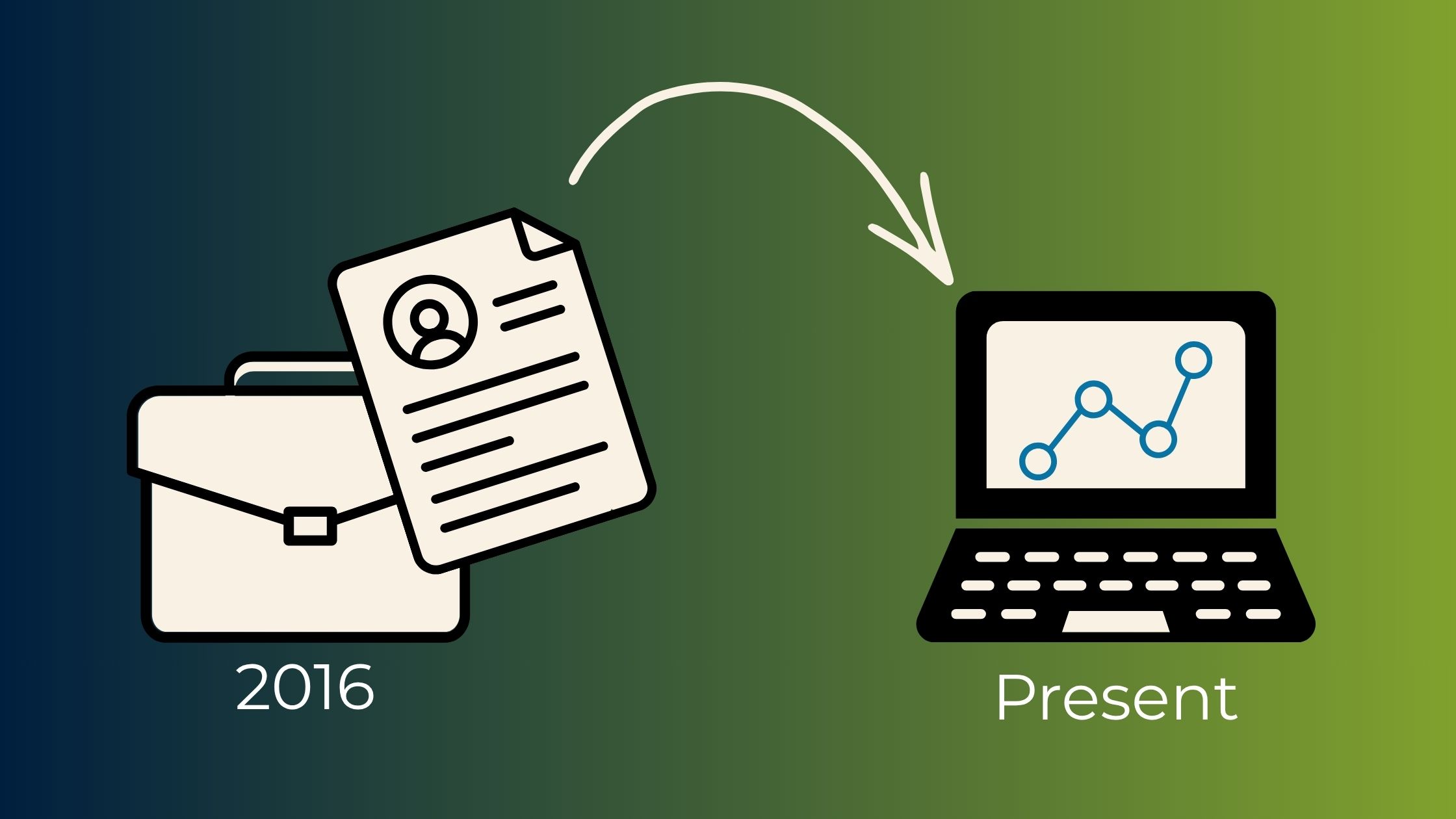
The job seeker’s toolkit has expanded significantly over the past decade. Here’s how many traditional job search tools have evolved:
| Traditional Toolkit | Modern Toolkit |
|---|---|
| Professional résumé | AI-optimized résumé tailored to each opportunity |
| Generic cover letter | Customized, AI-assisted cover letters |
| LinkedIn profile | A strong personal brand across professional platforms |
| Business cards | Digital portfolio or personal website (when appropriate) |
| Job boards | AI-powered job matching and targeted job alerts |
| In-person networking | A combination of in-person and virtual networking |
| Interview attire | Professional appearance plus a polished virtual interview setup |
| Microsoft Office skills | AI literacy, digital collaboration, and automation tools |
| Recruiter relationships | Recruiter relationships plus a visible online professional presence |
| References list | Recommendations, endorsements, and a positive online reputation |
While the tools have changed, the goal remains the same: helping employers quickly understand the value you bring to their organization.
1. Use AI to Strengthen Your Job Search
Artificial intelligence has changed the way job seekers prepare for every stage of the hiring process.
Used wisely, AI can help you:
- Tailor your résumé to a specific job description
- Draft customized cover letters
- Practice common interview questions
- Prepare for salary negotiations
- Research companies and industries
- Write networking emails or LinkedIn messages
Think of AI as a helpful assistant, not a replacement for your own experience or personality. Employers still want to hear your voice, your accomplishments, and your unique perspective. AI simply helps you organize and communicate those strengths more effectively.
2. Optimize Your Resume for ATS
Many employers use Applicant Tracking Systems (ATS) to organize and screen applications before a recruiter ever reviews them.
That means your résumé should be:
- Tailored to each position
- Written with relevant keywords from the job description
- Clearly formatted with standard section headings
- Focused on measurable accomplishments rather than generic responsibilities
For example, instead of writing:
“Responsible for customer service.”
Consider:
“Resolved an average of 40 customer inquiries per day while maintaining a 97% customer satisfaction rating.”
Specific accomplishments help both technology and hiring managers understand the value you’ve delivered.
3. Build Your LinkedIn Presence and Personal Brand
Today’s employers often learn about candidates long before the interview.
A quick search may lead them to your LinkedIn profile, professional portfolio, published work, or recommendations from colleagues.
Ask yourself:
- Does my LinkedIn profile reflect my current experience?
- Is my headline clear and compelling?
- Have I included measurable accomplishments?
- Do I have recommendations from colleagues or supervisors?
- Does my online presence reinforce the professional image I want employers to see?
Your online presence is an extension of your résumé. A strong personal brand helps recruiters understand not only what you’ve done, but also what you care about and the expertise you bring.
4. Prepare for Virtual Interviews
Virtual interviews have become a standard part of the hiring process.
Preparing your environment is just as important as preparing your answers.
Before your interview:
- Test your camera and microphone.
- Choose a quiet, well-lit location.
- Position your camera at eye level.
- Minimize distractions.
- Practice maintaining eye contact by looking into the camera instead of the screen.
These small details communicate professionalism and help employers focus on what matters most – your qualifications.
5. Research Employers Before Applying
Successful job seekers don’t simply submit applications. They make informed decisions about where they want to work.
Before applying, spend time learning about the organization.
Research areas such as:
- Company mission and values
- Recent news and growth
- Leadership team
- Employee reviews and culture
- Salary expectations
- Industry trends
This preparation helps you write stronger applications, ask better interview questions, and determine whether the opportunity is truly a good fit.
6. Networking Is Still Your Best Search Tool
Networking is still one of the most effective ways to find new opportunities, but it looks different today.
The question has shifted from:
“Who do you know?”
to
“Who knows your expertise?”
Building professional relationships now happens both online and in person.
Look for opportunities to:
- Engage thoughtfully on LinkedIn
- Join professional associations
- Participate in industry groups
- Attend networking events and webinars
- Stay connected with former colleagues
- Share ideas and celebrate the successes of others
Networking isn’t about collecting contacts. It’s about building genuine relationships over time.
The Best Job Search Strategy Combines Technology and Relationships
Technology continues to reshape the hiring process, but the qualities employers value remain remarkably consistent.
The strongest candidates still demonstrate:
- Clear communication
- Measurable accomplishments
- Professionalism
- Strong interview skills
- A willingness to learn
- Persistence and follow-through
- Meaningful professional relationships
Technology can help you open doors, but it’s your character, experience, and ability to connect with others that ultimately earn the job offer.
Final Thoughts
The modern job search isn’t about choosing between technology and human connection. It’s about using both effectively.
AI can help you prepare. Digital tools can help you work more efficiently. A strong online presence can increase your visibility.
But your greatest advantage will always be your ability to communicate your value, build authentic relationships, and show employers how you can help solve their challenges.
At Career Development Partners, we believe the best job search combines modern tools with proven career strategies. When you leverage today’s technology while staying true to your authentic professional story, you’ll be well positioned to stand out in a competitive job market.